Normalize the Go-Bag: Why Every Household Should Have One
A go-bag is a backpack with what you'd need for about three days if you had to leave home in a hurry. That's it. It isn't a bunker, a doomsday plan, or a personality. It's a spare tire for your life.
Most of us already keep a spare tire, a fire extinguisher and a first aid kit without thinking twice. A go-bag belongs on that list. Here's how to make one a normal, boring part of your household, and the gear we'd put in it.
Why it feels weird (and why it shouldn't)
For a lot of people, "go-bag" brings up images of reality-TV preppers and camouflage. So the bag never gets packed, because packing it feels like admitting something scary.
But the reasons people actually have to leave home fast are ordinary: a wildfire or a flood warning, a hurricane evacuation order, a gas leak, a house fire, a chemical spill on the highway. Ready.gov recommends every household keep a basic emergency kit, and a go-bag is simply the portable version of it.
When Hurricane Helene came through our mountains, the lesson that stuck with us was how fast "normal" can disappear. The families who handled it best weren't the most worried ones. They were the ones who had done the boring prep ahead of time.
Six ways to make a go-bag normal
1. Give it a boring name
Call it the "grab bag," the "car bag," or just "the red backpack." A plain name makes it a household object instead of a dramatic one, especially for kids.
2. One bag per person, kids included
Everyone carries their own. Let kids help pack theirs and choose a comfort item: a small stuffed animal, a deck of cards, a favorite snack. A bag they helped build is a bag they won't be scared of.
3. Keep it where you'd walk past it
A hall closet near the door, a hook in the mudroom, or the trunk of the car. If you have to dig through a basement to find it, it isn't a go-bag.
4. Put it on the calendar
Check your bags twice a year. An easy reminder is the daylight saving time change: swap out expired food and water, check batteries and medications, and trade summer clothes for winter ones. Our maintenance reminders can track it for you.
5. Practice once
Pick a calm Saturday and say, "Everyone grab your bag and meet at the car." Time it. The first try shows you what's missing, and it turns a scary idea into a five-minute family drill.
6. Start small
A half-packed bag by the door today is worth more than a perfect bag you plan to build someday. Start with water, a light, a first aid kit and copies of your documents, then add a piece at a time.
What goes in it
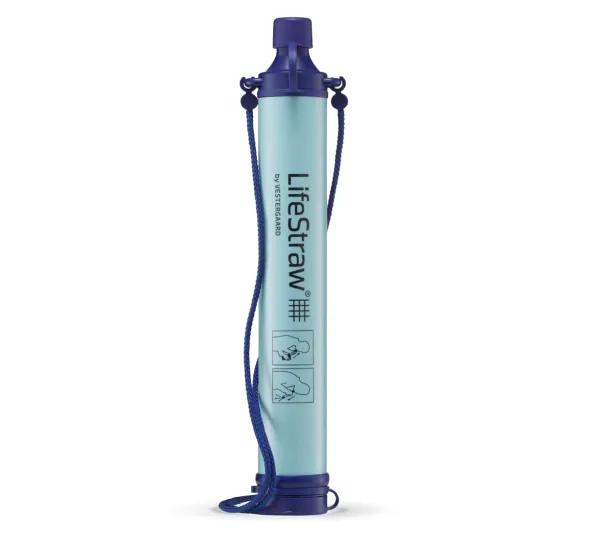
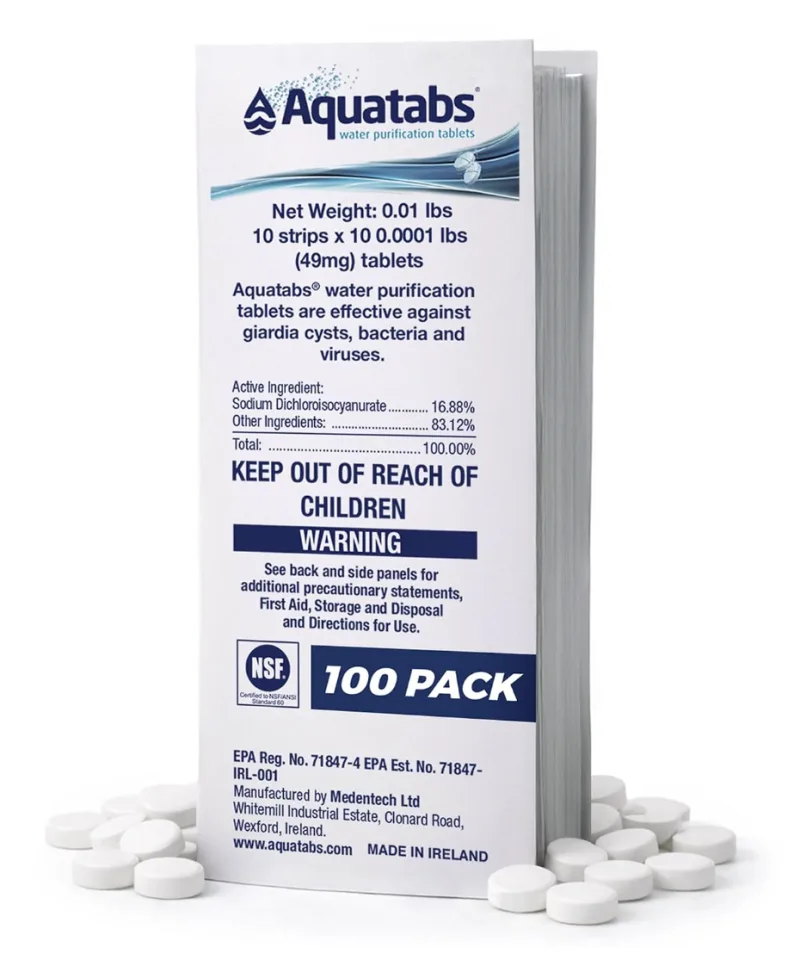
- Water: a few liters per person, plus a filter or purification tablets so you can make more.
- Food: three days of no-cook, high-calorie food that won't make you thirsty.
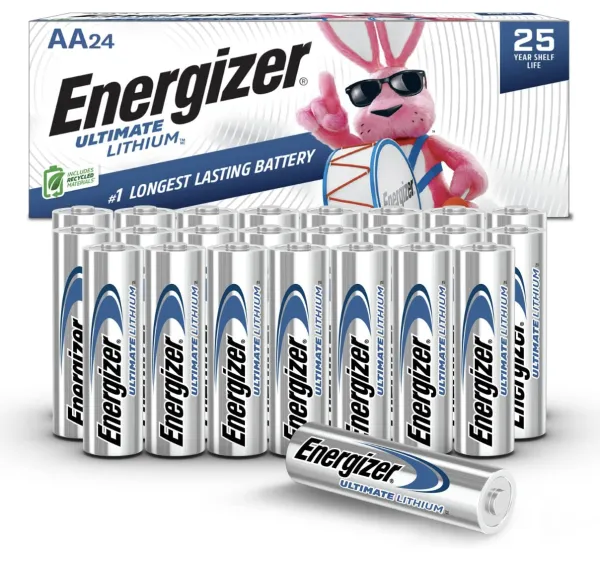
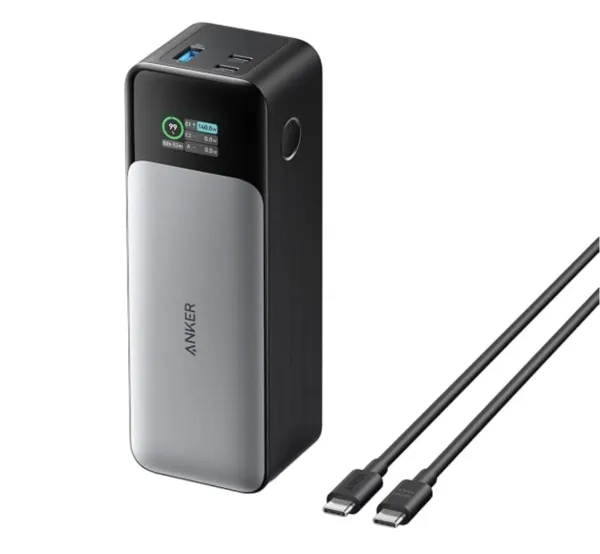
- Light and power: a headlamp, spare batteries, a power bank and charging cables.
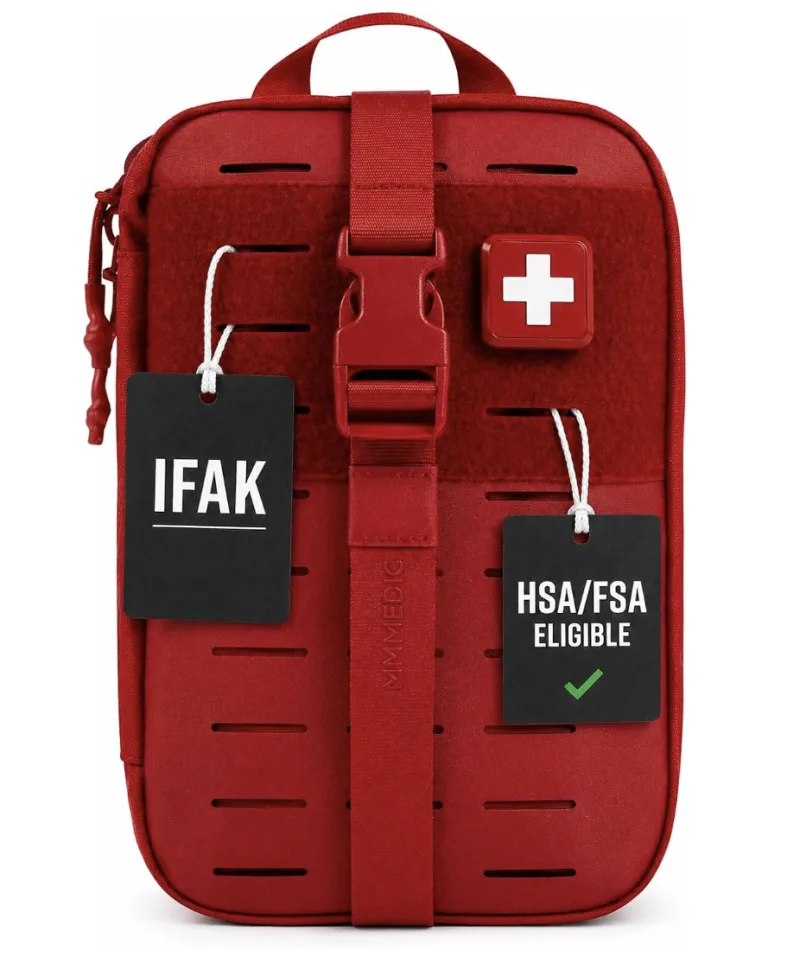
- First aid and medications: a compact kit, plus 7 days of prescriptions and a written list of doses.
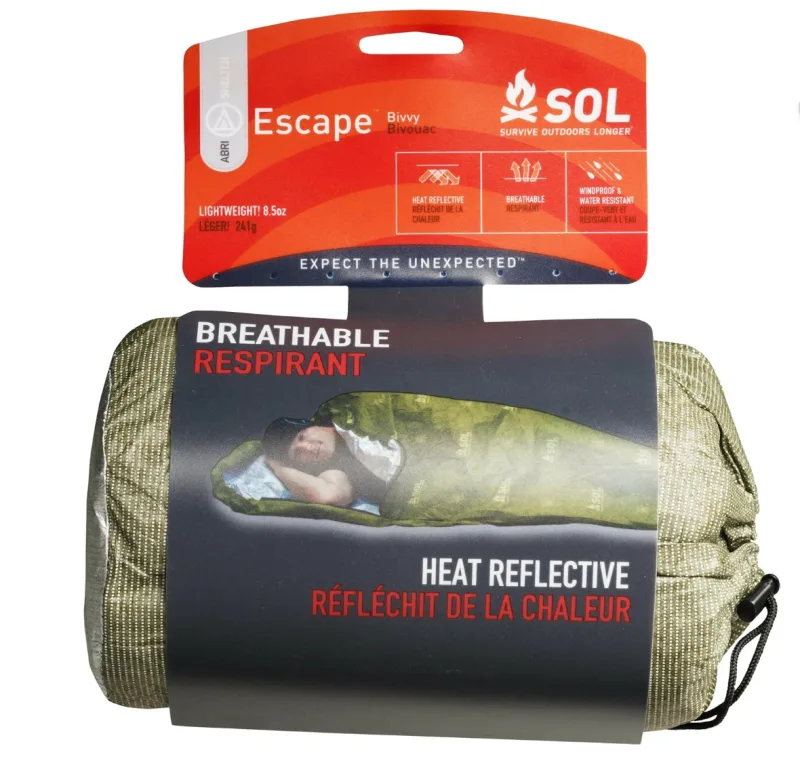
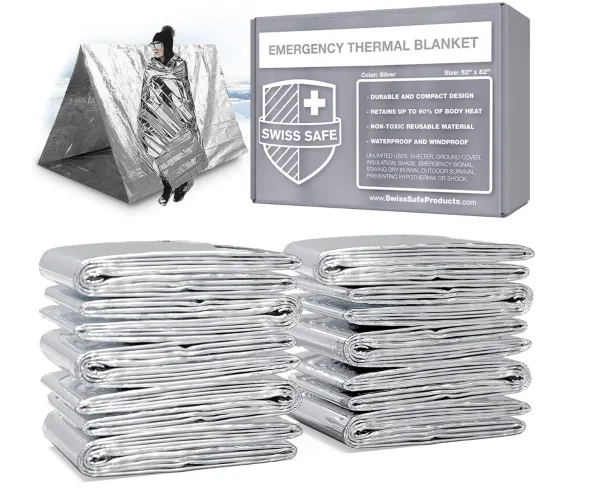
- Warmth and shelter: emergency blankets or a bivvy, a rain poncho, a change of clothes and warm socks.
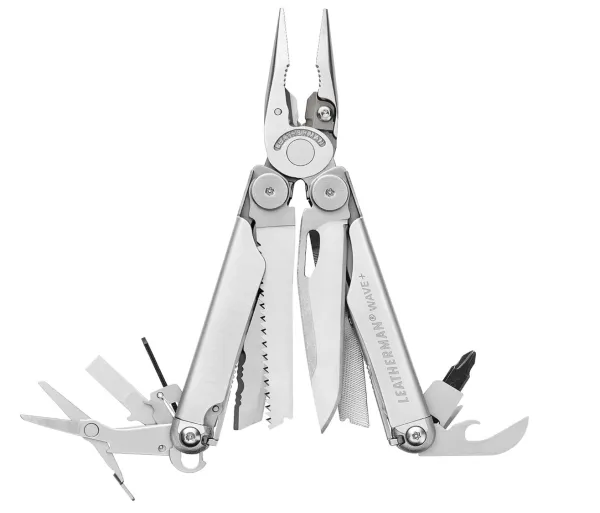
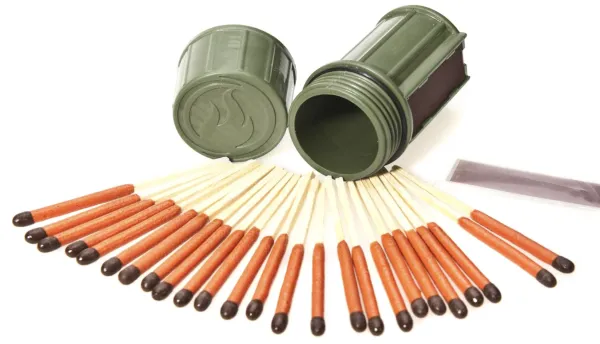
- Tools: a multi-tool, fire starters, cord and work gloves.
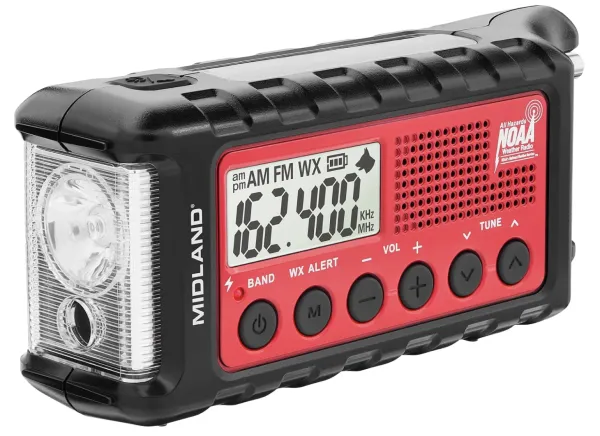
- Information: a weather radio, a paper map, and a printed list of phone numbers.
- Documents and cash: copies of IDs and insurance in a waterproof bag, plus small bills.
Want to check off each item as you pack? Use our free Go-Bag Checklist. It saves your progress and shows how ready your bag is. Then work out how much cash and which documents to bring, and print a family plan card for every bag.
Our picks
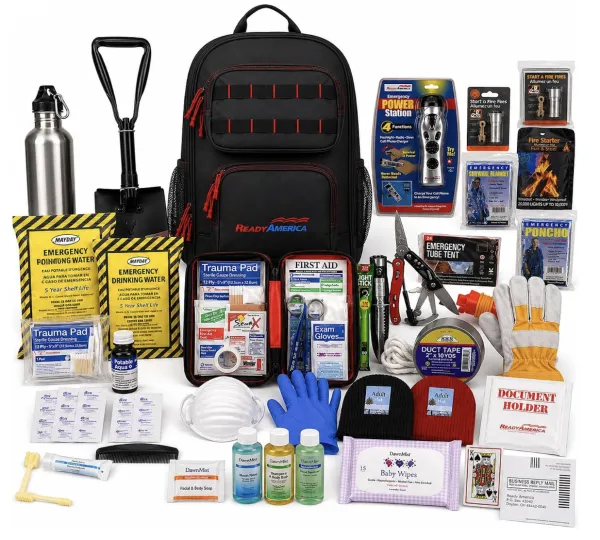
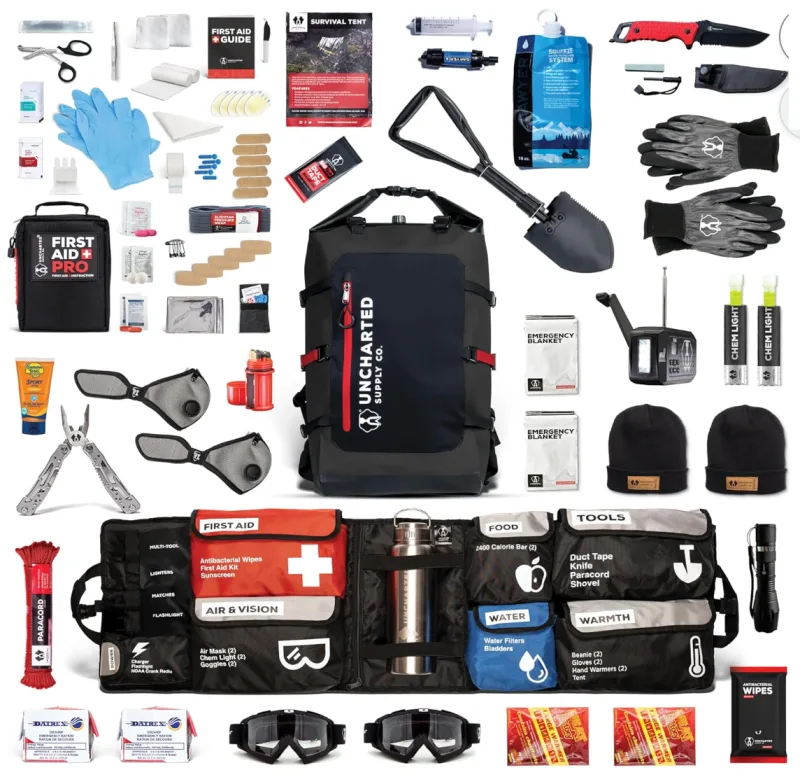
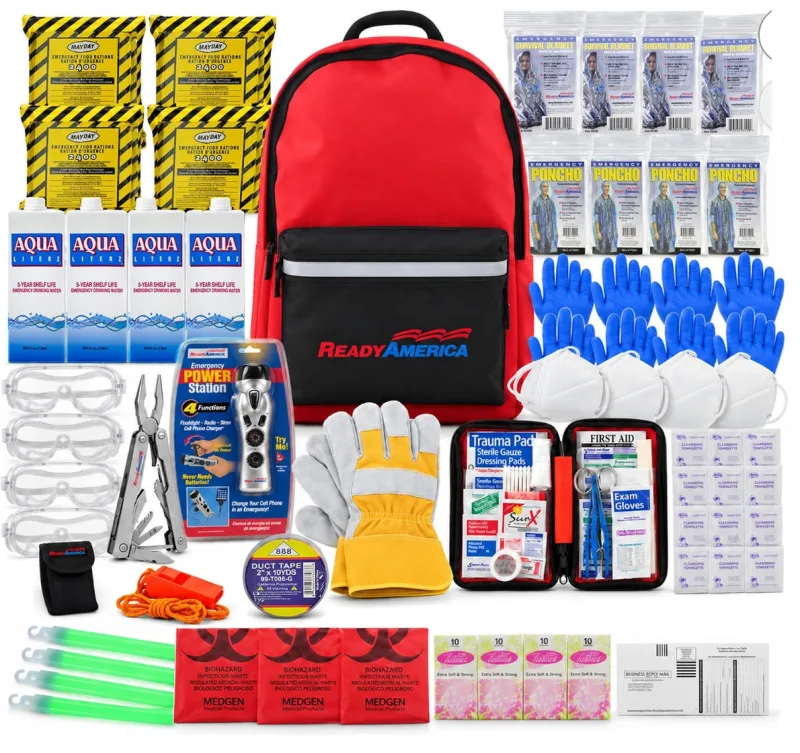
Start with a ready-made kit
The fastest way to go from nothing to covered. Buy one, put it by the door, and upgrade pieces over time.
Or build your own
Already have a sturdy backpack? These are the pieces we'd put in it first.

And one for the car
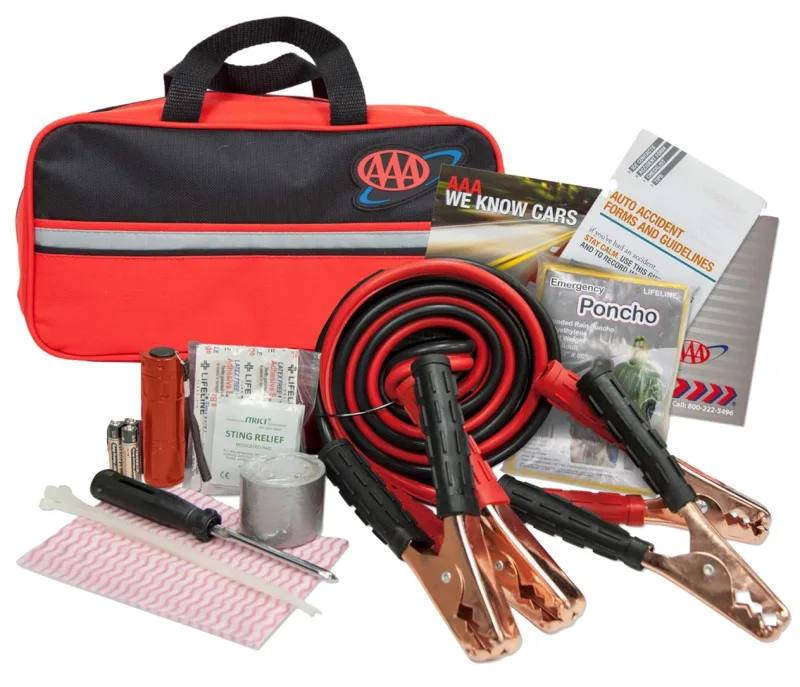
A second, smaller kit in the trunk covers you when the emergency starts on the road instead of at home.
FAQ
What is a go-bag?
A go-bag, also called a grab bag or bug-out bag, is a backpack packed with about 72 hours of essentials (water, food, light, first aid, warmth, documents and cash) so you can leave home quickly in an emergency.
Where should I keep my go-bag?
Somewhere you'd pass on your way out: a closet near the door, a mudroom hook, or the trunk of your car. Everyone in the house should know where it is.
How much water should I pack?
Water is heavy, so pack a few liters per person and add a water filter or purification tablets so you can make more safe water as you go.
How often should I check my go-bag?
Twice a year. Replace expired food, water and medications, test lights and batteries, and update clothes for the season. The daylight saving time change is an easy reminder.
Should kids have their own go-bag?
Yes. A small backpack with water, snacks, a light, a change of clothes, a contact card and a comfort item helps kids feel prepared instead of scared.
As an Amazon Associate, Top 100 Preps earns from qualifying purchases. This article is general information, not professional advice.